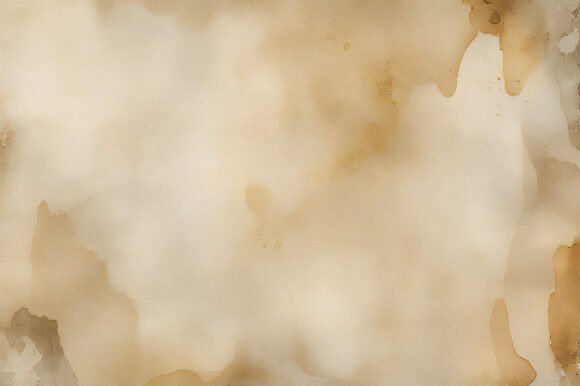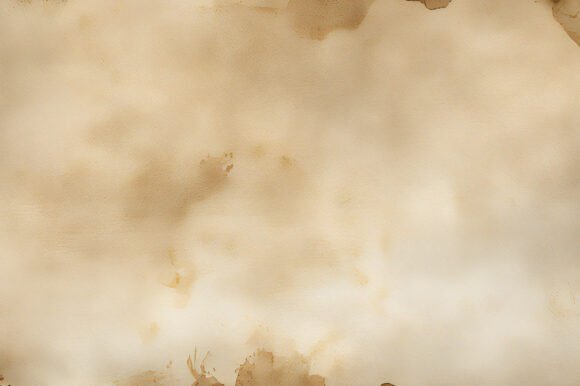
Vintage Stained Paper Texture Background
For creators, designers, and professionals looking to add depth and character to their work, a vintage stained paper texture background can be an essential asset. This high-quality JPG file offers a timeless aesthetic that complements a wide range of creative and business projects. Whether you're working on digital art, web design, social media graphics, or print materials, this background provides a unique visual element that enhances the overall presentation.
The vintage stained paper texture is more than just a decorative element—it’s a tool that can influence the mood, tone, and professionalism of your designs. Its aged appearance brings a sense of history and authenticity, making it ideal for branding, marketing, and artistic expression. By incorporating this background into your workflow, you can elevate the quality of your output while maintaining a cohesive and visually appealing style.
Understanding the Role of Vintage Stained Paper Texture in Design Workflows
In many creative processes, the choice of background plays a crucial role in setting the foundation for a project. A vintage stained paper texture background can be used at various stages—before, during, or after the main design work. For example, when planning a new brand identity, this texture can serve as a reference point for color schemes, typography choices, and overall visual direction. It helps establish a consistent look that aligns with the desired aesthetic.
During the execution phase, the background can act as a base layer that supports other design elements. Whether you’re creating a poster, a digital product, or a social media graphic, the texture adds a subtle yet impactful detail that draws attention without overwhelming the composition. It also allows for greater flexibility in layering, enabling you to experiment with different overlays, text placements, and visual effects.
After the main design is complete, the vintage stained paper texture can be used for final touches or adjustments. It can help unify a set of related designs, ensuring that each piece maintains a similar feel and quality. This consistency is especially important for branding materials, where a cohesive visual language is key to building recognition and trust.
Integration with Other Tools and Resources
The versatility of the vintage stained paper texture makes it compatible with a wide array of design tools and platforms. Whether you’re using Adobe Photoshop, Illustrator, Canva, or Procreate, this high-resolution JPG file can be easily integrated into your workflow. Its 9472 x 5376 pixel resolution ensures that it remains sharp and clear, even when scaled for large-format prints or high-definition displays.
When working with other design assets, such as fonts, illustrations, or photographs, the vintage stained paper texture can act as a unifying element. It helps create a balanced composition by providing contrast and depth. For instance, when designing a website or app interface, this background can be used to highlight key elements like buttons, headings, or call-to-action sections. It also works well in conjunction with transparent overlays, gradients, and other textures to achieve a layered and dynamic effect.
Additionally, the texture can be paired with other vintage or retro-themed assets to create a full suite of design elements. This is particularly useful for small businesses or independent creators who want to maintain a consistent visual identity across multiple platforms and materials. By combining the vintage stained paper texture with other complementary assets, you can build a rich and cohesive design system that reflects your brand’s personality and values.
Practical Implementation Tips and Workflow Examples
To make the most of the vintage stained paper texture background, consider how it fits into your specific workflow. If you’re working on a project that requires multiple design iterations, start by selecting a background that matches your initial vision. This will help guide your design decisions and ensure that all elements are aligned with the intended aesthetic.
For example, if you’re creating a series of social media posts for a boutique store, begin by choosing a vintage stained paper texture that complements the brand’s color palette and style. Use this as a base for your images, adding text, graphics, and other elements on top. This approach not only saves time but also ensures that all posts maintain a consistent look and feel.
Another practical tip is to use the texture as a reference when selecting other design elements. If you’re working on a brochure or business card, for instance, choose fonts and colors that harmonize with the background’s tone and texture. This creates a more polished and professional result, reducing the need for extensive revisions later on.
For those working on digital products or templates, the vintage stained paper texture can be used as a pre-designed background that users can customize. This is especially useful for creators selling design assets or templates, as it provides a ready-made foundation that users can adapt to their needs. It also adds value by offering a unique and high-quality element that sets your work apart from generic alternatives.
Factors to Consider for Long-Term Use and Quality Control
When incorporating the vintage stained paper texture into your workflow, it’s important to consider factors such as preparation, compatibility, and long-term usability. Ensure that the file format and resolution meet your project requirements, and test it across different platforms and devices to verify its performance. This helps avoid last-minute issues that could disrupt your workflow or compromise the quality of your output.
Organization is another key factor. If you’re using this texture frequently, keep it stored in a dedicated folder or library for easy access. This not only streamlines your workflow but also reduces the risk of losing or misplacing the file. You can also create variations of the texture by adjusting brightness, contrast, or color balance to suit different projects or themes.
Consistency is essential for maintaining a professional appearance across all your designs. Use the vintage stained paper texture as a benchmark for other backgrounds or elements, ensuring that they align with the same visual language. This helps create a unified and cohesive look that strengthens your brand identity and improves user experience.
Finally, consider the long-term impact of using this texture. As trends evolve, you may need to update or replace certain elements to keep your designs fresh and relevant. However, the timeless nature of the vintage stained paper texture means it can remain a valuable asset for years to come, especially if used in combination with other adaptable design elements.