A Sunset over a Mountain: A Versatile and Stunning Visual Resource
When it comes to visual storytelling, few images capture the imagination quite like a sunset over a mountain. This natural phenomenon combines the majesty of the landscape with the warmth and drama of the setting sun, creating a scene that is both breathtaking and evocative. For creators across various fields, a high-quality image of a sunset over a mountain can serve as a powerful foundation for a wide range of projects. Whether you're designing digital art, crafting social media content, or preparing presentations, this image offers a compelling backdrop that can elevate your work.
What Makes A Sunset over a Mountain Distinct?
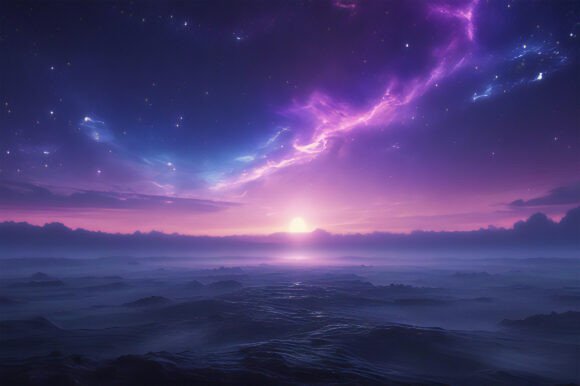
A sunset over a mountain is more than just a picturesque scene—it’s a composition rich in detail and emotional resonance. The interplay of light and shadow, the gradient of colors from warm oranges and pinks to cool blues and purples, and the vastness of the landscape all contribute to its unique appeal. Unlike generic background images, this one offers a sense of place and atmosphere that can enhance the mood of any design.
The image’s high resolution—9472 x 5376 pixels—ensures that it remains sharp and detailed even when scaled up for print or large-format displays. Its versatility allows it to be used in multiple formats, including digital art, web design, and printable materials. This makes it an excellent choice for designers who need a reliable and adaptable resource.
Comparing A Sunset over a Mountain with Similar Options
While there are many nature-themed images available online, not all offer the same level of quality and adaptability. Some stock photos may lack the resolution needed for professional use, while others might be too generic to make a meaningful impact. A sunset over a mountain stands out by combining aesthetic appeal with technical excellence.
For instance, a simple gradient background may be suitable for certain applications, but it lacks the depth and character that a real-world image like a sunset over a mountain provides. Similarly, abstract or geometric designs can be visually striking, but they may not convey the same emotional weight or realism. When choosing a background, the decision often comes down to the desired effect and the context in which the image will be used.
Strengths and Tradeoffs
One of the key strengths of a sunset over a mountain is its ability to add a sense of scale and grandeur to a design. It can evoke feelings of peace, adventure, or reflection, depending on how it’s used. Additionally, its high resolution and compatibility with major design software make it accessible to a wide range of users, from beginners to professionals.
However, it’s important to consider the limitations. While the image is highly versatile, it may not be the best fit for every project. For example, if a design requires a more minimalist or neutral background, a sunset over a mountain could be too busy or distracting. In such cases, simpler options like solid colors or subtle textures might be more appropriate.
Best-Fit Situations for A Sunset over a Mountain
This image is particularly well-suited for projects that benefit from a strong visual statement. Graphic designers working on invitations, posters, or business cards may find that a sunset over a mountain adds a memorable and professional touch. Similarly, social media content creators can use it as a backdrop for posts that aim to inspire or connect with an audience on an emotional level.
For small businesses looking to establish a brand identity, a sunset over a mountain can serve as a consistent visual element across marketing materials. It can also be used in product mockups to create a cohesive look that aligns with the brand’s aesthetic. In presentations, it can help set the tone for a talk or pitch, especially when the subject matter relates to nature, travel, or creativity.
When Another Option Might Be Better
Despite its many advantages, there are scenarios where a different type of background might be more effective. If the goal is to highlight text or other elements, a simpler or more neutral image could provide better contrast and readability. Additionally, if the project has a specific theme or style—such as a modern, tech-focused design—a more abstract or digital-oriented image might be more appropriate.
It’s also worth considering the target audience. A sunset over a mountain may resonate strongly with some viewers, but others might prefer more contemporary or stylized visuals. In such cases, exploring alternative options could lead to a more impactful result.
Practical Examples and Use Cases
Imagine a graphic designer working on a series of greeting cards for a nature-themed collection. Using a sunset over a mountain as the background would immediately communicate the theme and add a sense of beauty and serenity. Alternatively, a social media manager creating content for a travel blog might use the image as a header or background for posts about scenic destinations, helping to reinforce the brand’s visual identity.
In another scenario, a small business owner launching a new line of outdoor gear could use the image as part of their website design or promotional materials. It would not only look appealing but also align with the brand’s message of adventure and connection to nature. These examples illustrate how the image can be adapted to suit different creative needs.
Decision Factors for Choosing A Sunset over a Mountain
When deciding whether to use a sunset over a mountain, several factors should be considered. First, the purpose of the project is crucial. Is the goal to create a visually striking piece, or is functionality the priority? Second, the intended audience plays a role in determining which visuals will resonate most effectively. Third, the overall design style and color palette should be taken into account to ensure harmony and balance.
Additionally, the technical requirements of the project must be evaluated. Does the image need to be high-resolution? Will it be used in print or digital formats? These questions can help guide the selection process and ensure that the chosen image meets all necessary criteria.